
Moving a Heat Treatment Furnace? Plan for Production Restart Before Shutdown
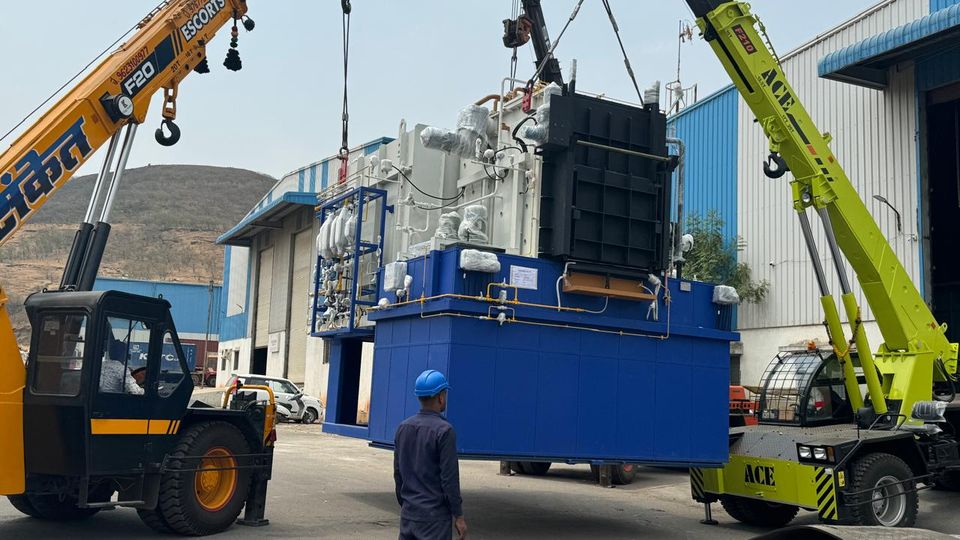
A furnace relocation can support a larger plant, a better production layout or the consolidation of operations. The project may begin with a new floor plan, but its success depends on the first acceptable production loads at the destination.
Moving the equipment is one milestone. Restoring dependable processing requires a coordinated plan for equipment condition, utilities, controls, commissioning and quality acceptance.
Before scheduling shutdown, bring production, maintenance, engineering, quality and the relocation team together around the following decisions.
Define what “back in production” means
Agree on the finish line before working backward to the shutdown date. Does the schedule end when equipment is positioned, when commissioning is complete, or when the quality team authorizes production?
These milestones require different resources and evidence. Identify who accepts mechanical installation, who verifies controls and safety functions, and who approves the process for customer work.
Include customer notification or approval requirements where applicable. A clear acceptance plan helps prevent an apparently completed move from becoming an extended production interruption.
Record the equipment’s condition before disconnection
Create a baseline while the furnace is operating. Gather available drawings, maintenance records, current configuration information, approved recipes, calibration records and recent performance results.
Document known faults and repairs that have been deferred. Photograph connections and equipment arrangements, and identify associated systems that must move with the furnace.
For a vacuum furnace, useful baseline information may include pumpdown performance and leak-rate records. Other furnace types need their own appropriate operating checks. Select measurements with the equipment specialist so the team can distinguish existing problems from changes discovered after relocation.
Confirm the destination can support the complete system
Do not assume that a suitable footprint means the site is ready.
Review the full installation requirements: electrical service, fuel or process gases where used, cooling systems, exhaust and ventilation, foundations, loading access and maintenance clearances. Check the path into the building as well as the final position.
Account for auxiliary equipment and material flow. Washers, generators, tempering equipment, quench systems and loading devices may affect how a heat-treatment line functions.
Assign responsibility for each site preparation task and confirm completion before shipment. Infrastructure delays can leave relocated equipment waiting for connections while production remains unavailable.
Decide which upgrades belong in the move
Relocation creates access to equipment that may otherwise be difficult to take out of production. It can be a sensible time to assess worn components, obsolete controls or improvements to handling.
However, every added change affects scope. Separate work needed for reliable restart from optional improvements, and document the effect on cost, schedule and acceptance testing.
Compare relocating the equipment as it stands, relocating with a defined rebuild, and replacing it where justified. Base the decision on condition, future production requirements and total project cost.
Avoid turning a planned move into an open-ended modernization project after the furnace has been disconnected.
Protect the controls and operating knowledge
Equipment knowledge can be lost when teams, locations or contractors change.
Have the controls specialist identify the files, software versions, licenses, configurations and access arrangements needed to support the system. Confirm that backups are complete and usable before shutdown.
Record interfaces with related equipment and plant systems. Identify any proposed network or controls changes at the destination so their testing is included in commissioning.
Keep an approved change record. If a component or program is altered during the move, the operating and maintenance documentation should reflect the installed system.
Build a restart plan appropriate to the furnace
Use the equipment manufacturer’s instructions and qualified specialists to define disassembly, transport, reinstallation and restart activities.
The plan should identify inspections, utility verification, safety-function checks and functional testing appropriate to the system. Vacuum integrity checks, atmosphere-system checks and quench-system checks apply to different equipment configurations; they should not be treated as interchangeable.
Quality personnel must determine which calibration, system accuracy, temperature uniformity or other process-verification activities are required by the applicable specifications and customer requirements.
Reserve time, personnel and test equipment for these activities. Agree how deficiencies will be recorded, corrected and accepted before production release.
Maintain production continuity during the transition
Create a realistic plan for customer demand while the furnace is unavailable.
Options may include building inventory, transferring suitable work to qualified equipment, using an approved external processor or moving a production line in stages. Check capacity and approval requirements before relying on an alternative.
Include contingency time for findings that emerge during inspection and commissioning. Communicate the transition plan to scheduling and customer-facing teams so promised deliveries reflect the available processing capacity.
A backup route is most useful when it has been confirmed before shutdown.
A practical relocation-readiness checklist
Before authorizing disconnection, confirm that:
- Equipment scope and associated systems are identified.
- Condition records and operating documentation are available.
- Destination utilities, layout and access have been reviewed.
- Required repairs and optional upgrades have separate, agreed scopes.
- Controls backups and configuration records are secured.
- Installation, commissioning and quality responsibilities are assigned.
- Production coverage and contingency arrangements are confirmed.
- Final acceptance criteria are documented.
A well-planned move connects logistics to the requirements of the production process. The objective is to restore an installation that your operations and quality teams can confidently release for its intended work.
Planning a furnace move or rebuild? Contact AFC-Holcroft Parts and Service to review your equipment, relocation scope and restart requirements before setting the shutdown date.